Solar System Planets Revolution Period
In astronomy the rotation period of a celestial object is the time that it takes to complete one revolution around its axis of rotation relative to the background stars. This would make a 15 year old from earth be barely over 1 year old in jupiter years.

Our Motion Through Space Isnt A Vortex But Something Far
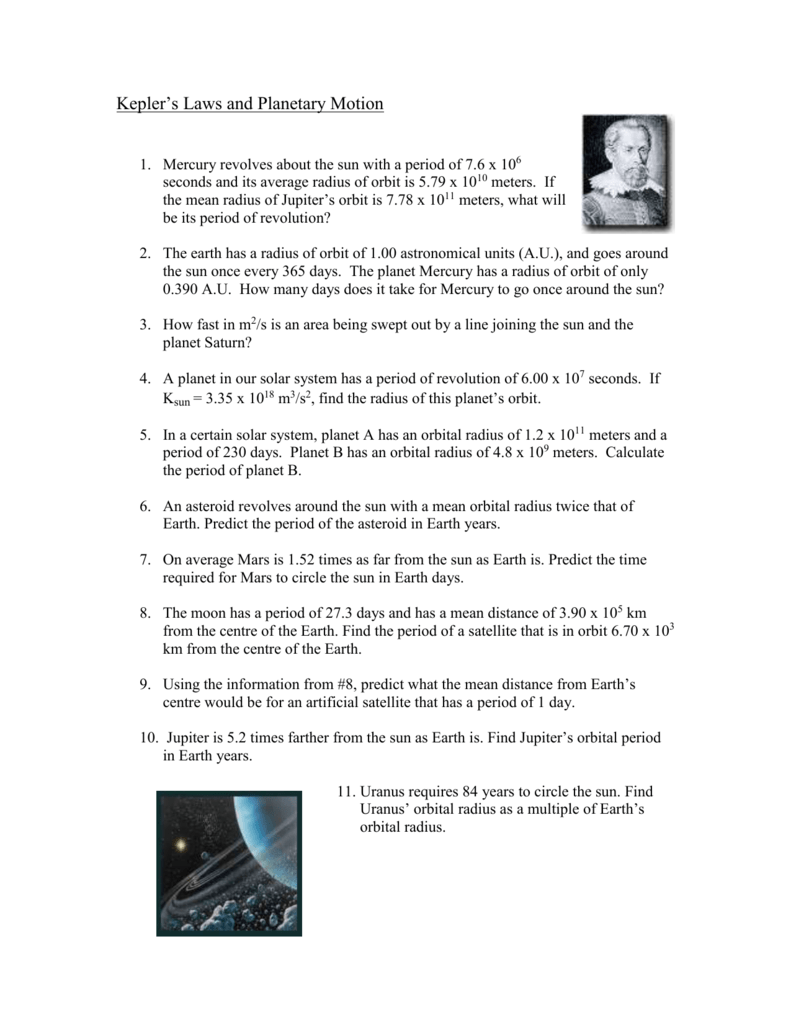
Keplers Laws And Planetary Motion
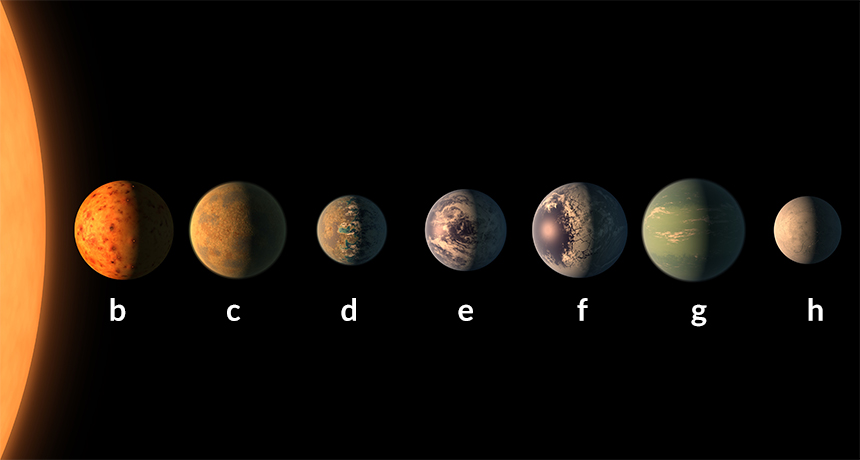
New Solar System Found To Have 7 Earth Size Planets
Venus with a revolution time of 2247 earth days.

Solar system planets revolution period. The farther a planet is from its star not only the longer the distance it must travel but also the slower its speed because it is less affected by its stars gravity. Planetsall eight planets in the solar system orbit the sun in the direction that the sun is rotating which is counterclockwise when viewed from above the suns north pole. It differs from the planets solar day which includes an extra fractional rotation needed to accommodate the portion of the planets orbital period during one day.
Unsurprisingly the the length of each planets year correlates with its distance from the sun as seen in the graph above. Length of year for planets in order. The planet jupiter travels around the sun one time every 433282 earth days.
A planets year depends on its distance from its star. Hence a 15 years old from earth would actually be almost 8 years old in mars years. This is also known as the orbital period.
Planet mars goes around the sun once every 68698 earth days. Six of the planets also rotate about their axis in this same direction. The exceptionsthe planets with retrograde rotationare venus and uranus.
The longest is venus with a rotational period of 243 days. The time between two successive oppositions or conjunctions is also an example of the synodic period. For the planets in the solar system the synodic period with respect to earth differs from the sidereal period due to the earths orbiting around the sun.
The period of one revolution of a planets orbit is known as its sidereal period or year. There are no planets in our solar system with a rotational period of 318 days. A year is defined as the time it takes a planet to complete one revolution of the sun for earth this is just over 365 days.
Hi venus is the only planet that has the revolution period closest to that of the earth. Other periods related to the orbital periodedit.
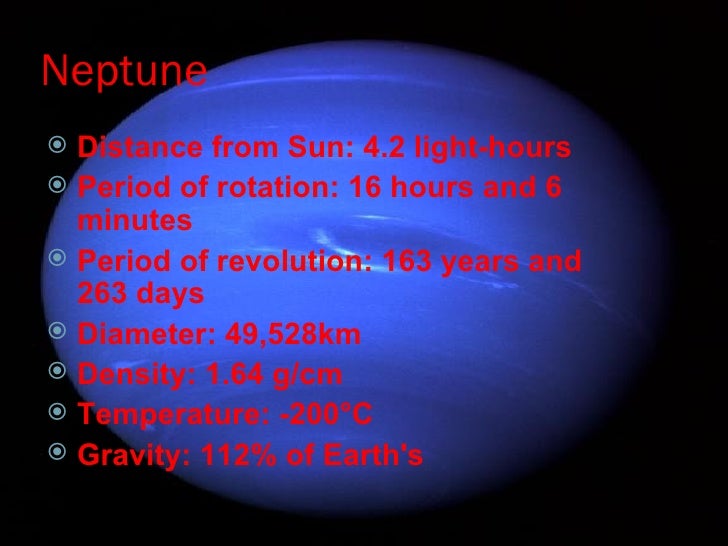
The Outer Planets Of Our Solar System

Which Planet Has The Longest Day The Planets Today
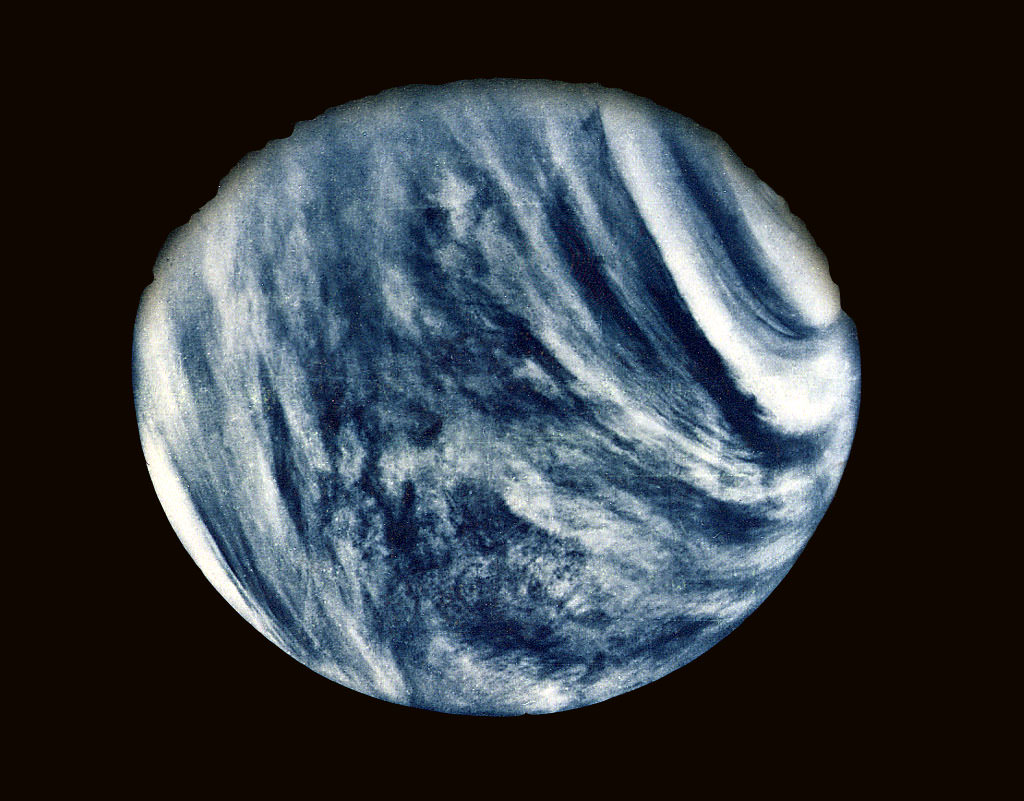
Which Planet Has The Longest Day Universe Today
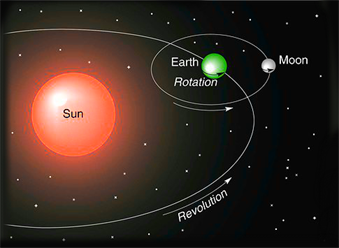
Rotation Revolution Difference Between Rotation
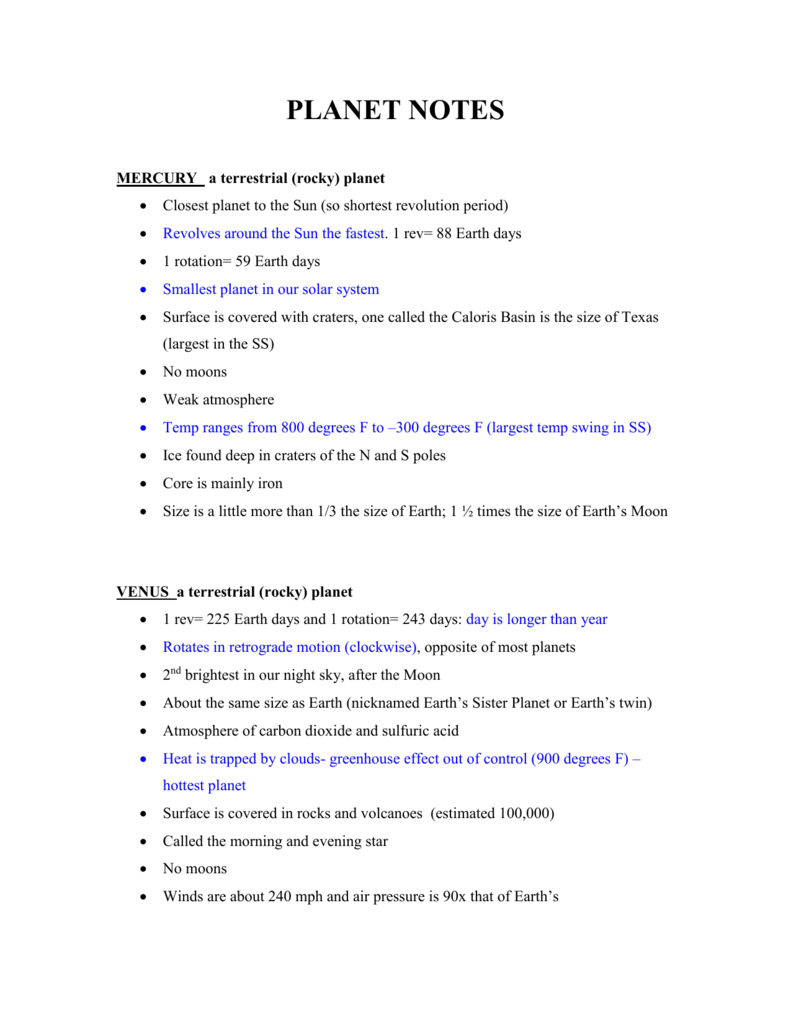
Planet Notes
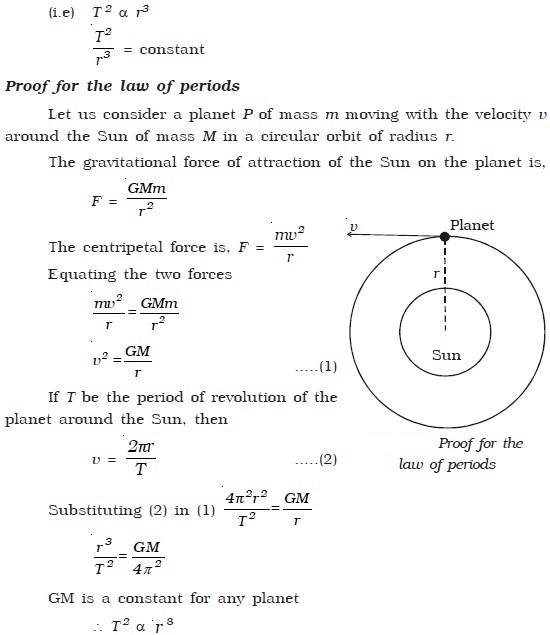
The Universe Period Of Revolution Engineersfield
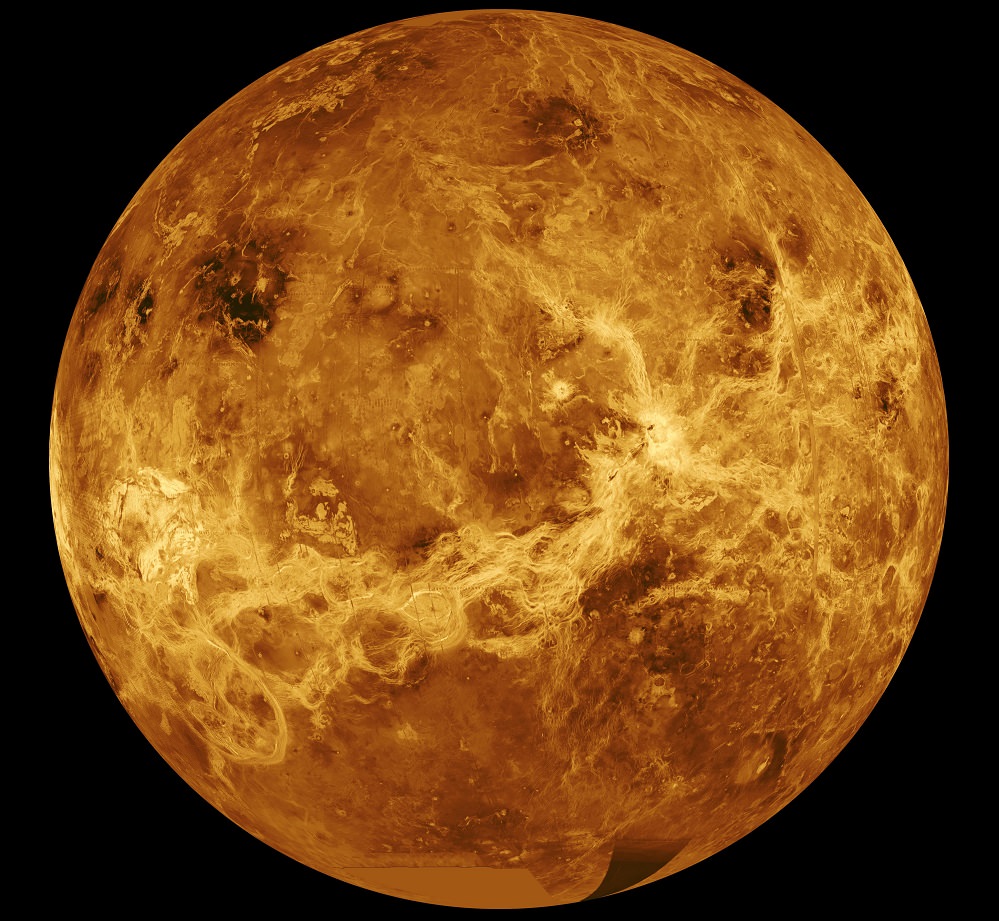
How Fast Does Venus Rotate Universe Today

The Outer Planets Of The Solar System Lessons Tes Teach

Orbit Revolution And Rotation Of The Planets

Sidereal Period Cosmos
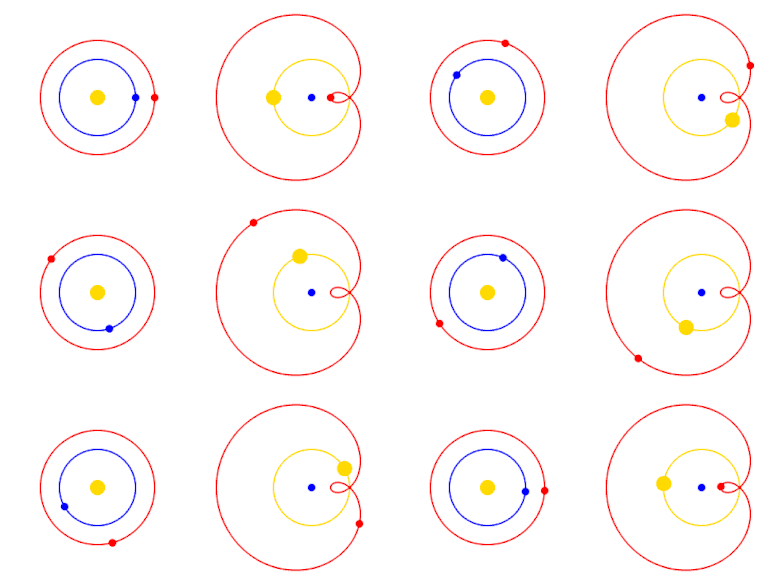
Copernican Revolution Wikipedia
Mercury Facts Interesting Facts About Planet Mercury

Saturn Fact Sheet
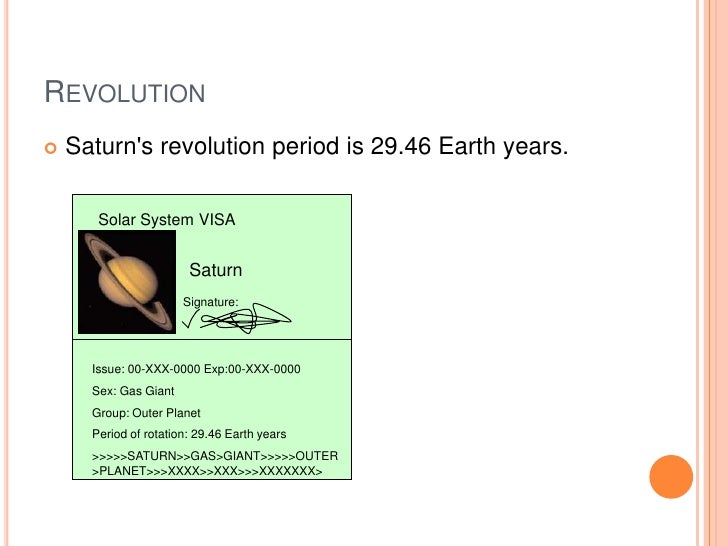
Saturn Powerpoint Project

Orbit Revolution And Rotation Of The Planets

Orbital Periods Of The Planets Space Facts
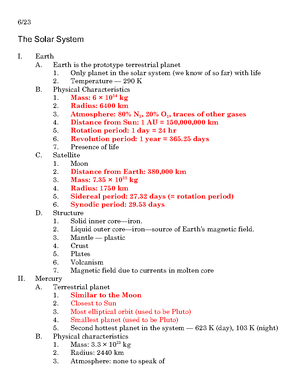
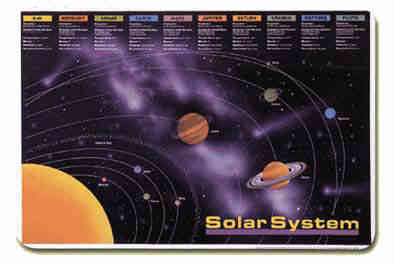
Comparing The 9 Planets Of Our Solar System
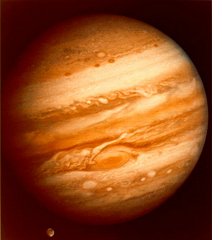
The Planet Jupiter
